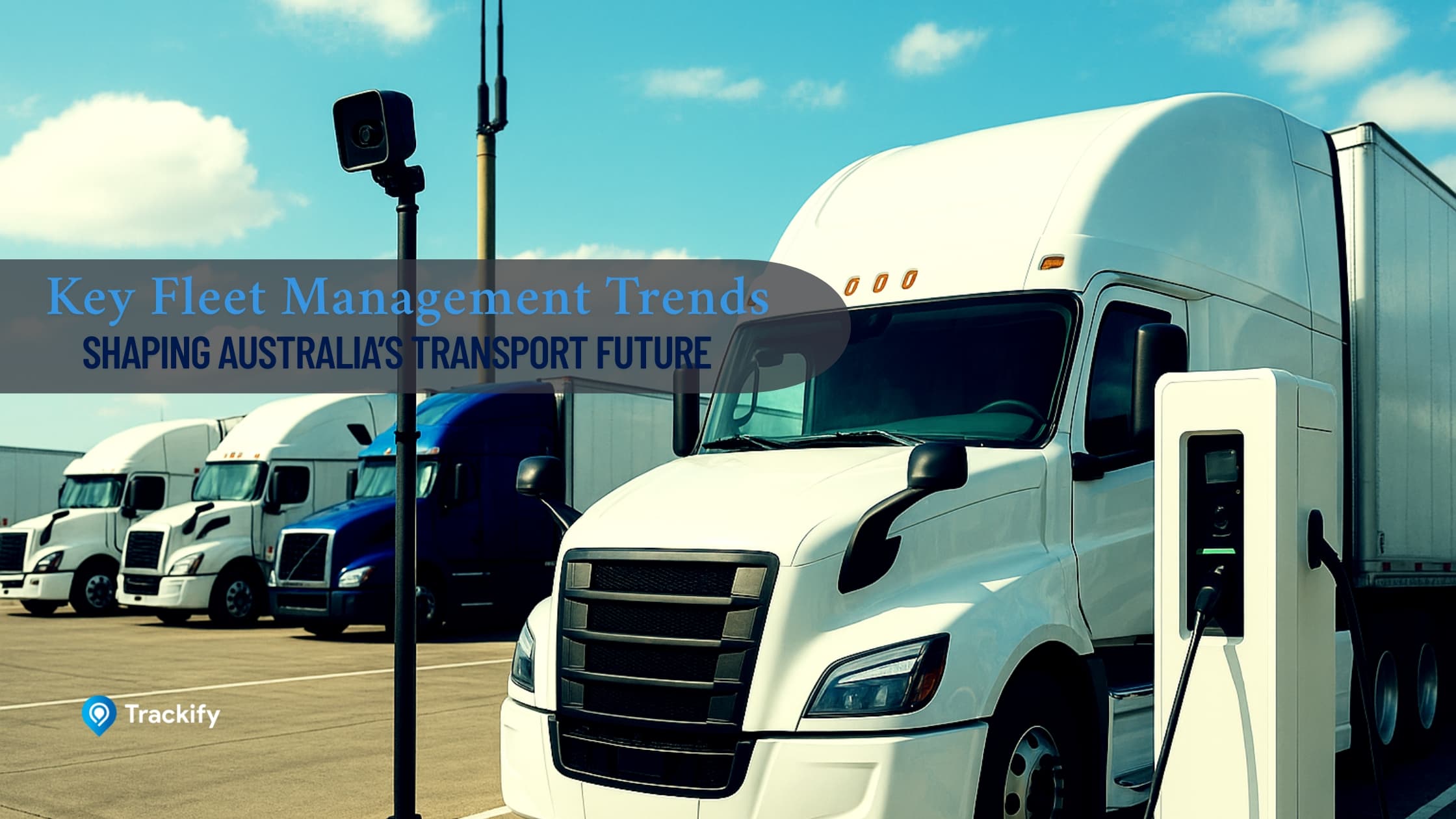
Key Fleet Management Trends Shaping Australia’s Transport
Fleet management trends are rapidly evolving across Australia, driven by environmental pressures, regulatory reforms, and digital transformation. For transport operators, logistics businesses, and fleet owners, adapting to these changes is no longer optional—it’s a strategic imperative. As the industry transitions from analogue systems to interconnected digital ecosystems, decision-makers must rethink how they manage fleets, data, compliance, and cost. This article outlines the most critical trends that are reshaping operations, improving safety, and future-proofing fleets nationwide.
Electrification & Sustainability
Rise of Electric Vehicles (EVs)
Electric vehicle (EV) adoption is accelerating in commercial transport, underpinned by state and federal incentives, rising fuel costs, and pressure to reduce emissions. While the transition is gradual, fleet operators are increasingly investing in low-emission vehicles as a long-term strategy to align with environmental goals and stakeholder expectations.
Compliance with Emission Standards
Australia’s shift toward stricter environmental regulations—particularly around carbon output and air quality—is prompting fleets to monitor and report emissions more transparently. Whether through hybrid technologies, carbon offset programmes or full electrification, sustainability is now a compliance issue as much as a reputational one.
Telematics & Data Analytics
Real-Time Vehicle Tracking
Modern fleets are powered by telematics systems that provide real-time visibility into vehicle locations, performance, and driver behaviour. This technology enables transport businesses to respond dynamically to delays, improve estimated delivery times, and manage daily operations with greater precision.
Predictive Maintenance Through Data
Gone are the days of reactive repairs. Predictive maintenance uses telematics and onboard diagnostics to anticipate faults before they lead to breakdowns. This not only lowers maintenance costs but also keeps vehicles operational longer, improving uptime and reducing costly disruptions.
Data-Driven Route Optimisation
By integrating historical traffic data, weather conditions, and load constraints, smart routing tools reduce fuel consumption and boost delivery efficiency. Route optimisation is no longer a luxury—it’s a data-driven necessity that enhances service levels while cutting operating costs.
AI & Video Telematics
AI Dashcams and Automated Detection
Artificial Intelligence (AI) is now embedded in next generation dashcams, capable of detecting dangerous driving behaviours, such as harsh braking, fatigue, or mobile phone use. These systems provide real-time alerts and capture footage for insurance claims and investigations.
Advanced Driver Coaching
Video telematics goes beyond monitoring—it supports behavioural change. Fleets can analyse incident footage to deliver personalised coaching, helping drivers improve safety practices and reduce risk. The result: fewer accidents, better compliance, and stronger insurance positions.
Regulatory Compliance & Safety
Transition to Electronic Logbooks
Compliance is no longer just a paperwork exercise—it’s a digital discipline. Electronic logbooks are replacing manual systems, offering seamless tracking of driver hours, fatigue risk, and duty compliance in line with NHVR and WAHVA standards. This shift not only enhances safety but also streamlines audit readiness.
Enhanced Driver Monitoring
With connected systems and wearable tech, fleet managers can now monitor driver fatigue, speeding, and stress indicators in real time. These insights enable proactive interventions before safety incidents occur, strengthening both compliance and care for drivers.
Continuous Safety Training
Training is no longer a one-off induction; it’s an ongoing process. The best fleets embed digital learning platforms and performance analytics to tailor safety programmes, ensuring drivers meet both internal standards and national regulatory expectations.
Cost Optimisation Strategies
Lowering Fuel and Maintenance Costs
By reducing idling, monitoring tyre pressure, and detecting mechanical anomalies early, fleets can curb unnecessary fuel burn and prolong component life. Telematics platforms now deliver this intelligence as standard, unlocking savings without cutting corners.
Maximising Asset Utilisation
Fleet managers are leveraging data analytics to determine which vehicles are overused or underutilised. This enables smarter scheduling, strategic downsizing, or redeployment, boosting return on asset investment and reducing total cost of ownership.
Insurance Cost Reductions
Insurers increasingly reward safe, tech-enabled fleets. Video telematics, driver scorecards, and risk mitigation strategies help fleets negotiate lower premiums and reduce claims frequency, creating a virtuous cycle of savings and safety.
Cloud & IoT Connectivity
Integrated Fleet Ecosystems
Modern fleet operations run on connected platforms where compliance, maintenance, dispatch, and finance tools converge. Cloud-based systems break down silos and improve operational decision-making by offering a centralised, real-time view of the entire fleet.
Remote Access and Collaboration
In the era of hybrid work and decentralised teams, remote access to fleet data is essential. IoT-enabled devices allow fleet managers, mechanics, and dispatchers to collaborate from anywhere, increasing agility and continuity across operations.
Post-Pandemic Adaptation & Future Readiness
Building Operational Resilience
COVID-19 exposed vulnerabilities in fleet operations—now, resilience is part of the strategy. From diversifying supply chains to stress-testing schedules and assets, fleet managers are embedding flexibility into operations to mitigate future disruptions.
Embracing the Future of Fleet
Fleet management trends point toward deeper digitisation, greater automation, and an emphasis on long-term sustainability. Businesses that adopt AI, autonomous-ready infrastructure, and robust data strategies today will be the industry leaders of tomorrow.
Positioning for a Smarter, Safer Fleet Future
The fleet management trends redefining Australia’s transport sector demand more than passive observation—they require deliberate action. Whether it’s through electrification, data analytics, AI, or regulatory evolution, the future belongs to those who can adapt with precision and foresight. Fleet managers must now think beyond compliance and cost—they must engineer resilience, elevate safety, and embrace technology as the cornerstone of modern fleet leadership.
Are you ready to proceed with your fleet? Discover how Trackify can help you simplify compliance, enhance safety, and optimise operations.