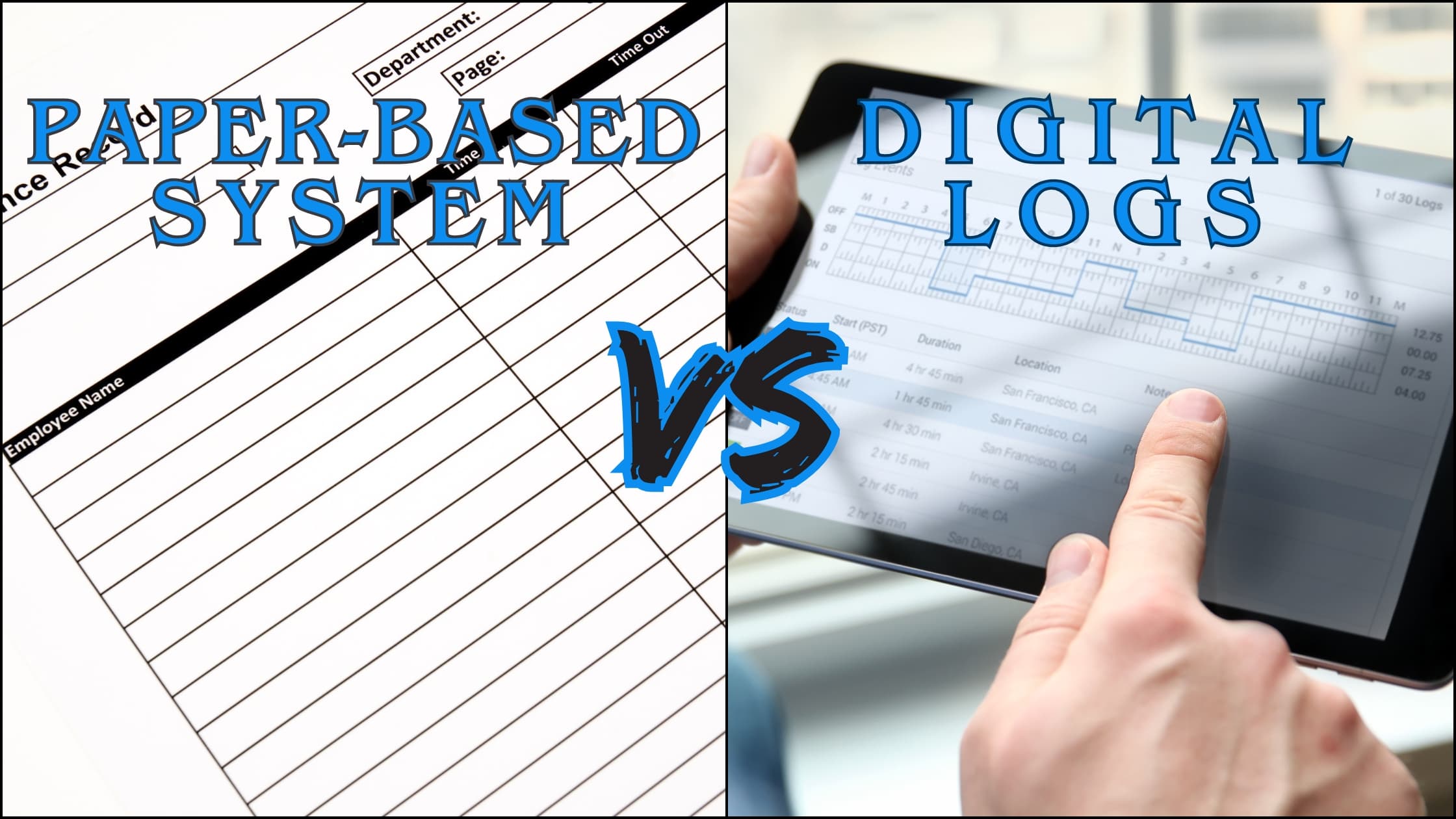
Paper-Based Systems vs. Digital Logs
Paper-based systems remain a mainstay in many Australian fleet operations, quietly shaping the compliance culture across the transport, logistics, and agricultural sectors. While familiar and tangible, these legacy tools often mask a multitude of inefficiencies, slowing down workflows, increasing the risk of human error, and complicating data retrieval. In an era where regulators demand precision and real-time accountability, relying solely on paper-based logbooks may be doing more harm than good.
Fleet managers, drivers, and business owners are beginning to recognise the limitations of paper documents in managing important records and ensuring smooth audits. With growing pressure to reduce downtime, optimise resources, and maintain airtight compliance, particularly under frameworks like WA Heavy Vehicle Accreditation (WAHVA), the conversation is shifting. This article explores the fundamental differences between paper-based systems and digital logs, presenting a clear-eyed comparison for those ready to reimagine their operational future.
Understanding Paper-Based Systems: The Legacy Infrastructure
What Are Paper-Based Systems Logbooks?
Paper-based systems in fleet management refer to traditional logbooks and compliance forms that drivers and administrators physically record. These handwritten documents have long served as the backbone for tracking driver hours, maintenance schedules, and regulatory compliance. In the Australian transport landscape, they are especially prevalent among small to mid-sized operators who value their simplicity and low upfront costs.
Common Pain Points with Paper-Based System
However, familiarity does not equate to efficiency. Manual entry is inherently error-prone, with smudged ink, poor handwriting, and accidental omissions all too common. Important documents can be easily misplaced, damaged by weather, or lost in transit. Storage becomes a logistical headache, especially when compliance records must be kept for years. Searching through stacks of archived paperwork is time-consuming and inefficient, particularly when audit deadlines loom. Paper based processes also create silos, preventing real-time data sharing and obstructing effective communication across teams. In an industry where downtime costs money and errors risk compliance breaches, clinging to paper is a risk most can no longer afford to take seriously.
The Rise of Digital Logs: A New Operational Model
What Is a Digital Logbook?
A digital logbook is an electronic system that replaces traditional paper-based logbooks with real-time, cloud-enabled record-keeping. It allows drivers, fleet managers, and compliance officers to capture and access data via mobile devices or desktop platforms. Integrated with fleet management software, digital logs provide a centralised source of truth for operational activity and compliance records.
Core Advantages of Digital Document Management Systems
Digital logs offer substantial improvements in accuracy, accessibility, and efficiency. Data is recorded once, validated automatically, and stored securely, eliminating the need for double handling. Important documents can be retrieved instantly during inspections or audits. With seamless integration into digital workflows, businesses gain end-to-end visibility across vehicle performance, driver activity, and maintenance records. Moreover, these systems reduce the risks associated with manual data errors and lost paperwork, supporting proactive compliance and timely decision-making. In essence, digital logs future-proof operations and elevate fleet performance.
Comparative Analysis: Paper-Based Systems vs. Digital Logs
Time & Efficiency
Paper-based systems demand manual entry, physical storage, and delayed reporting—each step consuming valuable time. In contrast, digital logs streamline data capture and provide instant access, dramatically improving operational efficiency.
Compliance & Risk Management
Paper documents are susceptible to inaccuracies and loss, creating vulnerabilities during audits. Digital systems offer audit-ready records, automated alerts, and alignment with compliance standards like WAHVA, reducing risk significantly.
Cost Implications
While paper-based processes may appear cheaper upfront, they incur hidden costs—printing, archiving, labour, and error correction. Digital transformation offers long-term cost savings through reduced administration and fewer compliance penalties.
Operational Visibility & Decision-Making
Paper-based logbooks lack immediacy, delaying insights critical to safety, scheduling, and maintenance. Digital solutions deliver real-time data, enabling fleet managers to make faster, smarter decisions that enhance performance and reduce downtime.
Overcoming Resistance: Why Paper-Based System Persists
Despite clear inefficiencies, paper-based systems persist due to cultural familiarity, perceived reliability, and concerns about the complexity or cost of digital adoption. For many small operators, paper logbooks represent a “known quantity”—simple, physical, and seemingly cost-effective. There’s also a hesitancy around digital change: fears of technical issues, training requirements, and upfront investment often stall progress. However, these barriers are increasingly outweighed by the long-term operational drag imposed by outdated systems.
The Future of Logbooks in Fleet Management
The industry is gradually embracing digital workflows, driven by regulatory demands, rising operational costs, and a growing appetite for real-time visibility. As technology matures, digital logbooks are becoming more accessible, intuitive, and scalable for fleets of all sizes. The question is no longer if digital adoption is necessary, but when and how it will occur across the sector.
Bridging the Compliance Gap with Smarter Choices
The divide between paper-based systems and digital logs is not merely technological—it’s strategic. As compliance expectations and operational complexities grow, the limitations of paper become more pronounced. Digital logbooks offer a compelling path forward: reducing errors, saving time, and enabling smarter, faster decision-making. For fleet operators, now is the time to critically assess legacy processes and embrace systems that support resilience, efficiency, and growth.
Are you ready to transition from paper-based systems? Discover how to simplify compliance, streamline your operations, and future-proof your fleet. Check out Trackify’s digital logbook solution today!