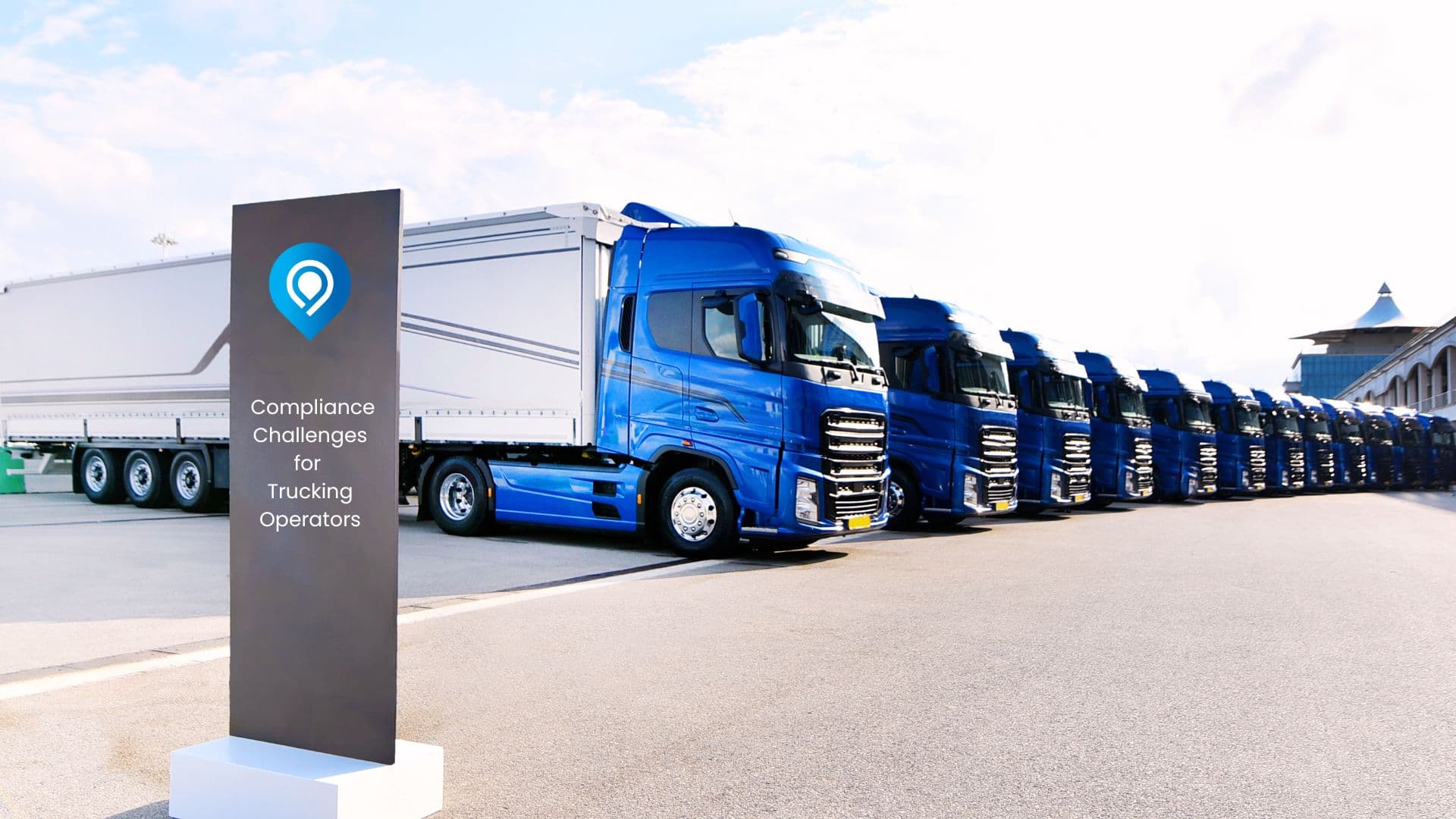
Top Compliance Challenges for Trucking Operators
In the trucking industry, compliance isn’t just a legal obligation—it’s a cornerstone of safety, efficiency, and sustainability. For trucking operators, navigating the maze of regulations can feel overwhelming, particularly in Australia, where rules like the Heavy Vehicle National Law (HVNL) and state-specific requirements add complexity. From ensuring vehicle maintenance to managing driver fatigue, compliance challenges for trucking operators are an everyday reality for fleet managers, logistics businesses, truck drivers, and owner-operators.
Navigating Complex Regulatory Frameworks
Compliance in the trucking industry starts with understanding the laws that govern heavy vehicle operations. In Australia, the complexity of these regulations can be daunting, especially for operators managing fleets across state borders.
Understanding the Heavy Vehicle National Law (HVNL)
The HVNL sets the foundation for managing heavy vehicles across most of Australia, aiming to improve road safety and reduce infrastructure damage. However, the law’s comprehensive nature often leaves operators struggling to interpret its facets, from vehicle standards to operational limits. Failing to meet these standards can result in significant fines and operational delays, making it essential for operators to grasp their responsibilities under the HVNL fully.
State-Specific Regulations and Their Impacts
While the HVNL is designed to standardise rules, not all states have adopted it. For instance, the Western Australian Heavy Vehicle Accreditation (WAHVA) requires operators to meet specific criteria for maintenance, fatigue management, and driver training. These state-specific nuances often lead to confusion, increased administrative work, and a greater risk of non-compliance.
Australian Design Rules and Vehicle Standards
Trucking operators must also ensure their vehicles comply with the Australian Design Rules (ADRs), which set the standards for vehicle safety, emissions, and performance. Meeting these requirements can be particularly challenging for businesses operating older fleets or importing vehicles. Non-compliance not only risks penalties but can also lead to vehicles being deemed unroadworthy, causing operational disruptions.
Managing Fatigue
Driver fatigue is one of the leading causes of accidents involving heavy vehicles, making fatigue management a core compliance challenge in the trucking industry. Ensuring drivers adhere to regulated rest periods is essential for both safety and legal compliance.
Fatigue Management and Driver Well-Being
The HVNL prescribes strict work and rest hour requirements to combat driver fatigue. Long hours on the road, coupled with tight supply chain demands, often push drivers to the limits of their endurance. Beyond meeting legal requirements, prioritising driver well-being through proper scheduling, rest facilities, and education on fatigue risks is crucial for maintaining safety and productivity.
Chain of Responsibility (CoR)
Compliance in the trucking industry isn’t limited to drivers and fleet managers; it extends across the entire supply chain. The Chain of Responsibility (CoR) provisions ensure that all parties involved in the transport process share accountability for safety and compliance.
Shared Responsibility Across the Supply Chain
The CoR laws recognise that decisions are made off the road—such as scheduling, loading practices, and delivery requirements. However, fostering this shared responsibility often proves challenging, as miscommunication and differing priorities across stakeholders can lead to lapses in compliance.
Liability Risks for Non-Compliance
Non-compliance with CoR regulations carries severe penalties, including fines, legal action, and reputational damage. Operators must ensure that policies, procedures, and training are in place to prevent breaches at any stage of the supply chain.
Vehicle Maintenance and Inspections
Ensuring that vehicles are roadworthy is a fundamental aspect of compliance. However, managing vehicle maintenance and inspection schedules is a significant challenge, especially for operators with large or diverse fleets.
Maintaining Safety Through Regular Inspections
Under the HVNL and state-specific laws, operators must perform routine checks on brakes, tyres, lights, and other critical systems. Failure to address maintenance issues can result in unplanned downtime, hefty fines, or accidents that endanger both drivers and other road users.
Adapting to Technology for Maintenance Records
While traditional paper logs are still in use, they are prone to errors and are cumbersome to manage. Digital solutions, such as fleet management software, offer a more efficient way to track maintenance schedules, record repairs, and ensure timely inspections. Training staff and investing in user-friendly software are key steps to overcoming these challenges and ensuring compliance with maintenance regulations.
Drug and Alcohol Testing Compliance
Ensuring that drivers are fit for duty is critical in maintaining safety on Australian roads. Drug and alcohol testing compliance forms an integral part of this responsibility, but it comes with its own set of challenges.
The Importance of Drug and Alcohol Testing
Drug and alcohol use impairs a driver’s ability to operate a heavy vehicle safely, putting lives at risk and violating both legal and safety standards. Mandatory testing is enforced by state and federal authorities to reduce the likelihood of incidents caused by substance impairment.
Documenting and Maintaining Testing Records
This can involve coordinating with testing facilities, ensuring timely follow-ups, and storing results securely. Inaccurate or incomplete records not only risk regulatory breaches but may also lead to legal complications if an incident occurs. Streamlined record-keeping systems, whether manual or digital, are essential to ensure transparency and compliance with drug and alcohol policies.
Accurate Record-Keeping and Data Management
Documentation lies at the heart of compliance but maintaining accurate and comprehensive records remains a persistent compliance challenge for many trucking operators.
The Importance of Accurate Compliance Documentation
Accurate records are essential for demonstrating compliance with key regulations, from hours of service to vehicle maintenance and incident reporting. These records are routinely audited by regulators, and any discrepancies can result in fines, penalties, or even accreditation revocation. For trucking operators, the task of compiling and verifying this documentation is time-consuming and prone to human error, especially when relying on paper-based systems.
Transitioning from Paper to Digital Systems
Digital record-keeping platforms offer a more efficient and reliable way to manage compliance data, but the transition is not without hurdles. Despite these barriers, the long-term benefits of digital systems—such as real-time data access, error reduction, and streamlined audits—make the shift worthwhile for many operators. Encouraging staff buy-in and providing adequate training are critical steps in overcoming resistance and ensuring a smooth transition.
Balancing Compliance and Operational Efficiency
Meeting compliance requirements while maintaining operational efficiency is a delicate balancing act for trucking operators.
Costs of Compliance
Compliance comes with financial and resource costs, from investing in technology to training staff and conducting regular audits. Additionally, the time spent ensuring compliance often detracts from operational priorities, such as meeting delivery deadlines or optimising routes. Understanding the financial impact of compliance and allocating resources effectively is essential for balancing regulatory obligations with business needs.
Strategies for Streamlining Compliance Processes
Despite the challenges, there are ways to streamline compliance without sacrificing efficiency. Leveraging digital tools, automating repetitive tasks, and adopting proactive strategies can reduce the operational burden of compliance. Partnering with industry bodies or consultants for guidance on best practices can also help operators navigate complex requirements while keeping their businesses running smoothly.
Compliance Challenges for Trucking Operators
Compliance is a constant challenge for trucking operators, but it is also a vital aspect of ensuring safety, efficiency, and long-term success in the industry. While the costs and effort involved may seem burdensome, the consequences of non-compliance—legal penalties, operational disruptions, and reputational damage—are far greater.
Simplify compliance with Trackify, the digital solution for managing work diaries, maintenance logs, and accreditation records. Eliminate paperwork, reduce errors, and stay compliant effortlessly. Discover how Trackify can transform your fleet management today!